
Do I Choose Color or Concept First?
I was recently asked by another artist to explain how I approach creating repeat patterns and other designs. She wasn't sure where to begin, and it made me realize this might be helpful to share.
Every artist has their own process.
Some artists like to sketch everything out first and then figure out how it all comes together. Others prefer to start with color—choosing a palette upfront and letting that guide the rest of the work.
That’s never really been how my process works.

I start by looking through my photography. I look for a place or a moment that sticks with me—something I remember clearly, something that feels like it could grow into a collection. That’s what directs the work for me.
If I’m working from a specific request, submission, or brief, then that becomes the starting point. The idea is already there, and everything flows from that. But when I’m working from my own direction, it almost always begins with one photo. Just one. That image becomes the anchor for the entire collection.
Only after that idea is clear do I start thinking about color.
I know a lot of artists prefer to do it the other way around—choosing a palette first and building from there. And on the surface, that makes sense. But for me, picking colors too early feels limiting. It locks me into a direction before I really know what I’m building.
For example, if I say, I love these colors and I’m going to use them, but I haven’t fully defined whether I’m working with woodlands, ferns, or another natural environment, those colors may not actually support the idea once it starts to take shape.
So instead, I let the subject come first.

Once I’ve identified the place or image that will guide the collection, I start pulling in additional photos—other details, textures, or moments that support that original direction. I’ll bring them together digitally and look at how they relate. Do they work together? Do they feel connected? Do they support the same mood?
Sometimes the matches are exact. Sometimes they’re loose interpretations. That part doesn’t bother me. What matters is that they belong in the same conversation.
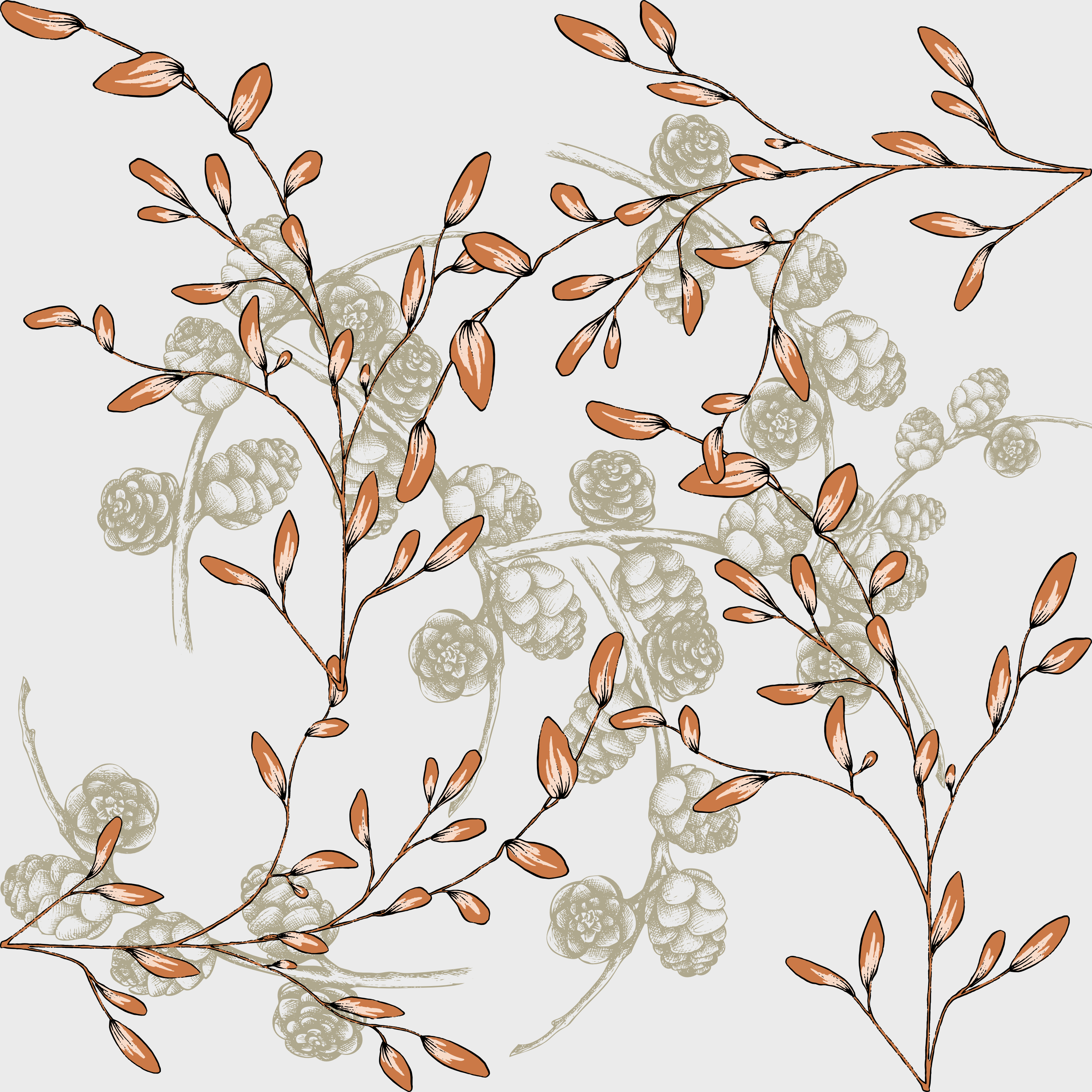
From there, color naturally reveals itself. It’s not forced. It’s informed by place, light, and memory rather than a preset template.
That flow—photography first, concept second, color after—keeps the work flexible and grounded. It gives me room to respond to what I’m actually seeing instead of committing too early to something that may not fit once the collection begins to form.
